When homogenous nations are thought of, Icelanders probably come to a lot of people’s minds. Indeed the remoteness of their homeland and archaicness of their language intimate that this could be true.
On the other hand, those who know a bit of early European history might recall the various adventures of the Goths in Eastern Europe, the yoke of Attila the Hun’s rule, the various other nations present that they may have fraternalized with, like the Iranic Alans, Slavs and Avars.
Iceland was settled in the 9th century, and while it’s tempting to assume that the Scandinavian peninsula was rather pure-blooded Nordic at this time, the record suggests otherwise. The most obvious source for miscegenation would have been with the Finns/Saami. The less obvious source would have been from those Goths who mixed with the Huns, Avars and Bolgars in Eastern Europe before backward migrating to Scandinavia. We can be fairly sure that this happened because the Icelandic sagas preserve tales from the era of Attila, Theodoric the Gothic King and Ardaric the Gepidic King. These various rulers were subjects of Attila and sent their daughters (like the beautiful Ildico) to become one of the many wives of Attila. In turn, they may have occasionally taken noble Turkic women as wives.
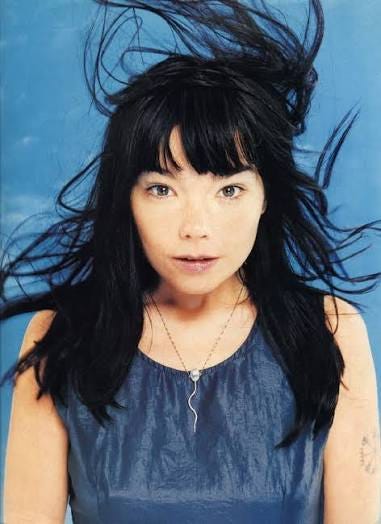
What do DNA studies show? Surprisingly, Haplogroup N (Finnic) does not even register. Neither is there anything from the Far East, like Haplogroups C or Q. While some Turks carry R1a, even this is only at about 20% among Icelandic men and is not properly Turkic. Something isn’t adding up. I say this because I clearly see Asian features among Icelandic people, in fact 3 of the most well-known ones. Could they really be so unrepresentative of Icelanders?
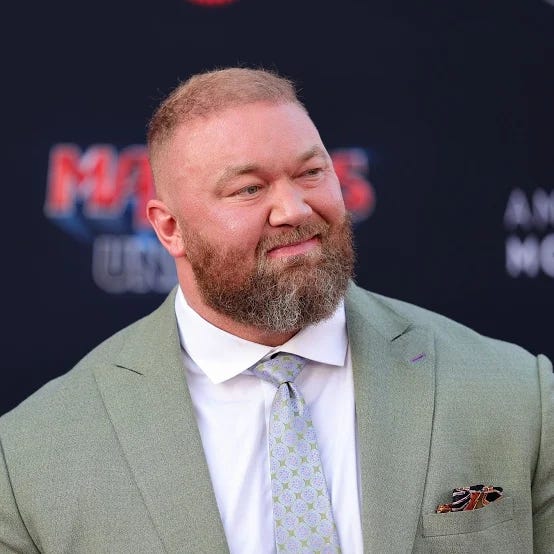
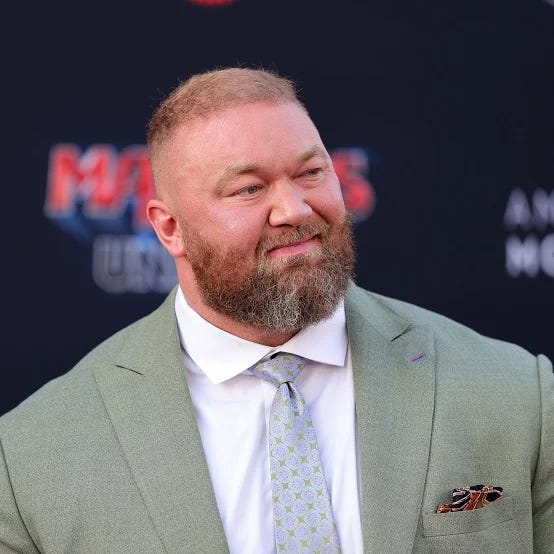
Hafþór Júlíus Björnsson (Strongman, played Thor)
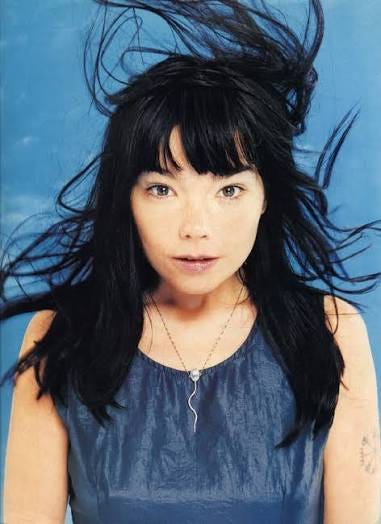
Björk Guðmundsdóttir (Singer)
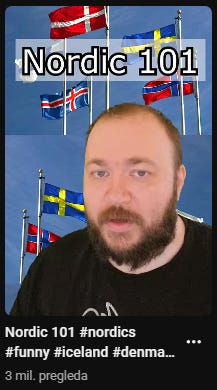
Ólafur Waage (That Nordic Guy, YouTuber)
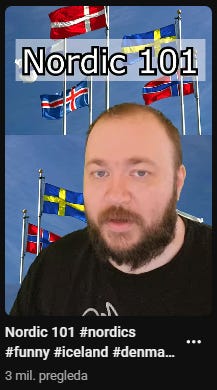
This last guy is the mildest example, but for me the eyes and nose are a bit Asian. Or is this more Haplogroup I? He also has a bit of a garbled way of vocalizing some sounds, kind of more like how Finnish people speak. At any rate, the original pure-blooded Finns and Saami, who no longer exist, could absolutely have been considered Turkic adjacent from their physiognomy and Altaic genealogy.